Comprehensive Guide to Clinical Bone Sonometers: Elevating Bone Health Diagnostics & Medical Center Excellence
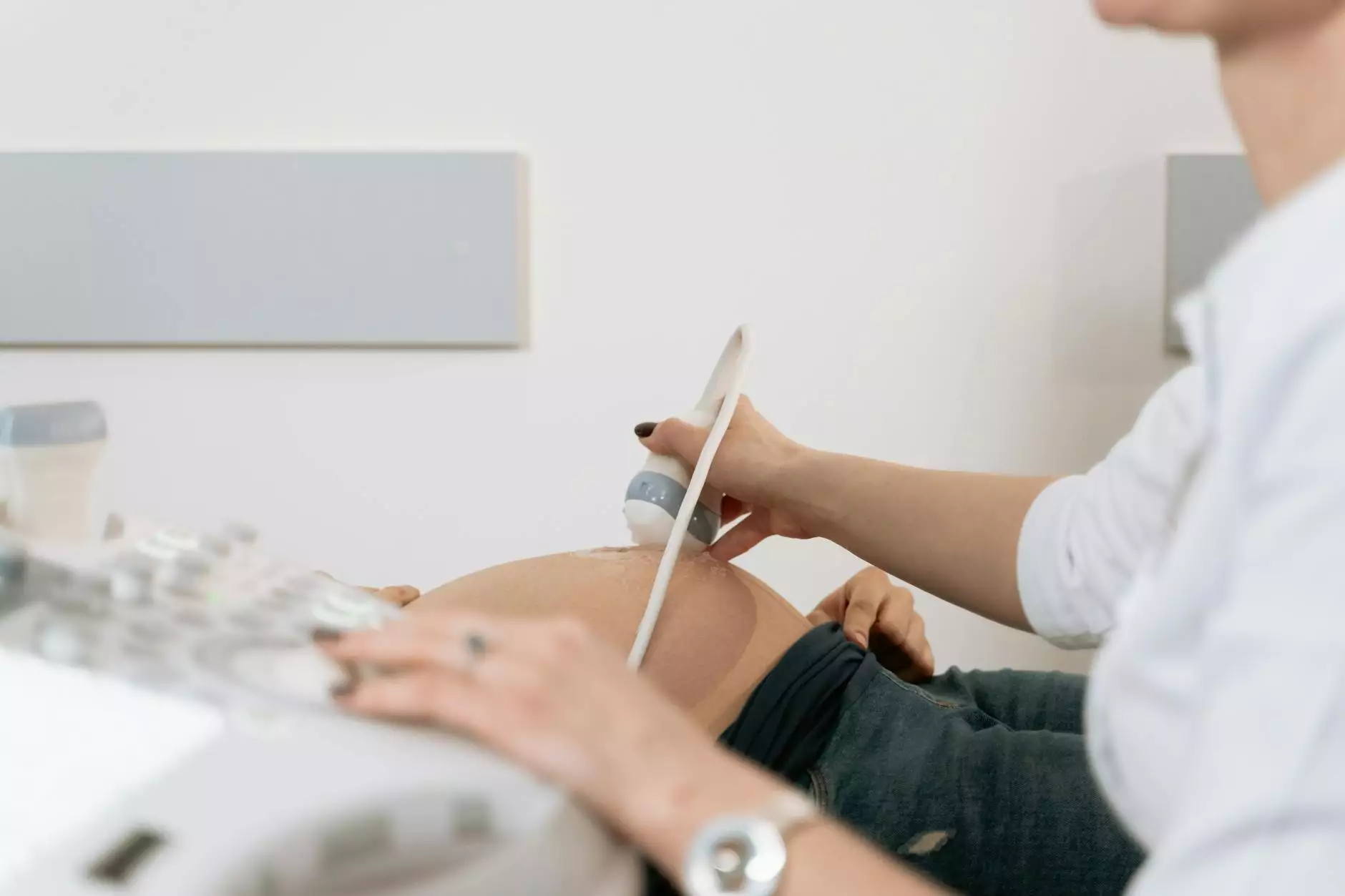
In today's dynamic healthcare landscape, precise and efficient assessment of bone health has become a cornerstone for diagnosing and managing conditions like osteoporosis and other metabolic bone diseases. The emergence of clinical bone sonometers marks a significant milestone in medical diagnostics, providing clinicians with powerful, non-invasive tools to evaluate bone density accurately. At beammed.com, innovative solutions harness the latest technological advancements, enabling healthcare professionals to offer superior patient care. This comprehensive article explores the essential role of clinical bone sonometers, their technical features, clinical applications, and the transformative impact they have within health markets and medical centers worldwide.
What Is a Clinical Bone Sonometer and Why Is It Vital in Modern Healthcare?
A clinical bone sonometer is a specialized device that utilizes ultrasound technology to assess bone mineral density (BMD). Unlike traditional X-ray-based methods such as dual-energy X-ray absorptiometry (DEXA), ultrasound-based systems provide a safer, portable, and cost-effective alternative without exposing patients to ionizing radiation.
These devices are designed for use in a wide array of healthcare settings, including hospitals, outpatient clinics, osteoporosis screening centers, and wellness clinics, making them a versatile tool in the early detection and management of bone-related health issues. The importance of clinical bone sonometers arises from their capacity to deliver quick, reliable results, facilitating timely interventions that can prevent severe fractures and improve patient outcomes.
Core Technologies Behind Clinical Bone Sonometers
Modern clinical bone sonometers employ sophisticated ultrasound principles, integrating advanced sensors and proprietary algorithms to analyze reflected signals from bones. They measure parameters such as:
- Speed of sound (SOS): How fast ultrasound waves travel through bone tissue, which correlates with bone density.
- Transmission time: The duration for ultrasound waves to pass through skeletal structures.
- Amplitudes of reflected signals: Indicators of bone quality and structure.
These measurements are processed to calculate an overall BMD score, providing a quantitative index that assists clinicians in assessing fracture risk and diagnosing osteoporosis with high precision.
Advantages of Using Clinical Bone Sonometers in Medical Settings
Implementing clinical bone sonometers in healthcare facilities offers multiple benefits that enhance clinical workflows and patient safety:
- Non-invasive and Painless: Ultrasound assessments are completely non-invasive, comfort-oriented, and suitable for all patient populations, including children and the elderly.
- No Radiation Exposure: Unlike traditional imaging modalities, ultrasound-based devices eliminate risks associated with ionizing radiation, making them ideal for repeated use and routine screenings.
- Portable and User-Friendly: Compact designs enable mobility across various clinical settings, providing flexibility for on-site testing and outreach programs.
- Cost-Effective: Lower equipment and operational costs support broader implementation, especially in resource-limited environments.
- Quick Results: Instant data analysis allows immediate clinical decisions, reducing patient wait times and streamlining workflows.
- Early Detection: Sensitive measurement capabilities facilitate the diagnosis of bone deterioration at earlier stages, enabling preventive strategies before fractures occur.
The Role of Clinical Bone Sonometers in Health Markets and Medical Centers
The integration of clinical bone sonometers within health markets and medical centers signifies a paradigm shift towards proactive bone health management. These devices support:
- Osteoporosis Screening Programs: Mass screenings for at-risk populations such as postmenopausal women, elderly, and patients with metabolic disorders.
- Monitoring Treatment Efficacy: Tracking bone density changes over time in patients undergoing osteoporosis therapy, ensuring optimal intervention adjustments.
- Preoperative Assessments: Evaluating bone quality prior to orthopedic surgeries to inform surgical planning and postoperative care.
- Research & Clinical Trials: Providing reliable data for clinical investigations into bone health and treatment efficacy.
- Patient Engagement & Education: Offering tangible results that motivate patients to adhere to lifestyle modifications and treatments.
By integrating these devices, healthcare providers enhance their capability to deliver personalized, data-driven care, boosting confidence in clinical decision-making.
The Future of Bone Health Diagnostics: Innovations & Trends
The landscape of bone density assessment is continually evolving, driven by technological innovations and a deeper understanding of bone diseases. Anticipated future trends include:
- AI-Driven Analyses: Incorporating artificial intelligence algorithms to improve diagnostic accuracy, predictive modeling, and personalized treatment planning.
- Integration with Electronic Health Records (EHR): Seamless data management systems for longitudinal tracking and comprehensive patient health profiling.
- Enhanced Portability: Ultra-compact ultrasound units with wireless connectivity, facilitating remote and community-based screenings.
- Multi-Modal Diagnostics: Combining ultrasound with other imaging technologies, such as optical or electromagnetic sensors, for holistic bone assessments.
- Focus on Preventive Care: Shifting toward early detection and lifestyle intervention strategies to reduce the societal burden of osteoporosis.
How Beammed.com Leads the Industry with Cutting-Edge Clinical Bone Sonometers
At Beammed, innovation meets healthcare excellence. The company specializes in developing clinical bone sonometers that integrate the latest ultrasound technology, precision engineering, and user-centric design. Their offerings are tailored to meet the demands of diverse medical environments, ensuring accuracy, durability, and ease of use.
Beammed’s commitment to quality and technological advancement translates into:
- State-of-the-art devices with superior sensitivity and specificity.
- Intuitive interfaces for healthcare professionals of all expertise levels.
- Robust data management capabilities for integration into existing hospital EHR systems.
- Ongoing support and training to optimize device utilization and clinical impact.
By choosing Beammed’s clinical bone sonometers, medical centers worldwide elevate their diagnostic capabilities, improve patient outcomes, and position themselves at the forefront of bone health management.
Implementing Clinical Bone Sonometers in Your Medical Center: Practical Considerations
Adopting ultrasound-based bone density measurement devices requires thoughtful planning. Key factors to consider include:
- Device Compatibility: Ensure the technology aligns with existing clinical workflows and health record systems.
- Staff Training: Invest in comprehensive training programs to maximize accuracy and efficiency.
- Patient Accessibility: Deploy portable units to expand reach, especially in underserved or remote regions.
- Cost & Funding: Analyze total cost of ownership, including maintenance, and explore funding options or grants.
- Regulatory Compliance: Confirm devices meet regional medical device standards and certifications.
When implemented effectively, clinical bone sonometers become invaluable tools that elevate the diagnostic standards of your healthcare facility.
Conclusion: Embracing the Future with Clinical Bone Sonometers
In the rapidly advancing field of bone health diagnostics, clinical bone sonometers represent a leap forward with their safety, accuracy, and versatility. Their integration into health markets and medical centers not only supports early detection and treatment of osteoporosis but also fosters a shift toward proactive, patient-centered healthcare.
Leading companies like Beammed are pushing the boundaries of technology, ensuring clinicians have access to the most reliable, innovative tools available. As we look to the future, continued advancements in ultrasound technology, data analytics, and integration will revolutionize bone health management, making diagnostics faster, safer, and more effective than ever before.
For medical professionals dedicated to delivering exceptional care, adopting a clinical bone sonometer is a strategic step toward excellence in diagnosing and managing bone diseases. The era of smarter, safer, and more accessible bone health assessment has arrived—embrace it today with Beammed’s pioneering solutions.