Comprehensive Guide to Fake Money and Counterfeit Pounds Sterling Dealers
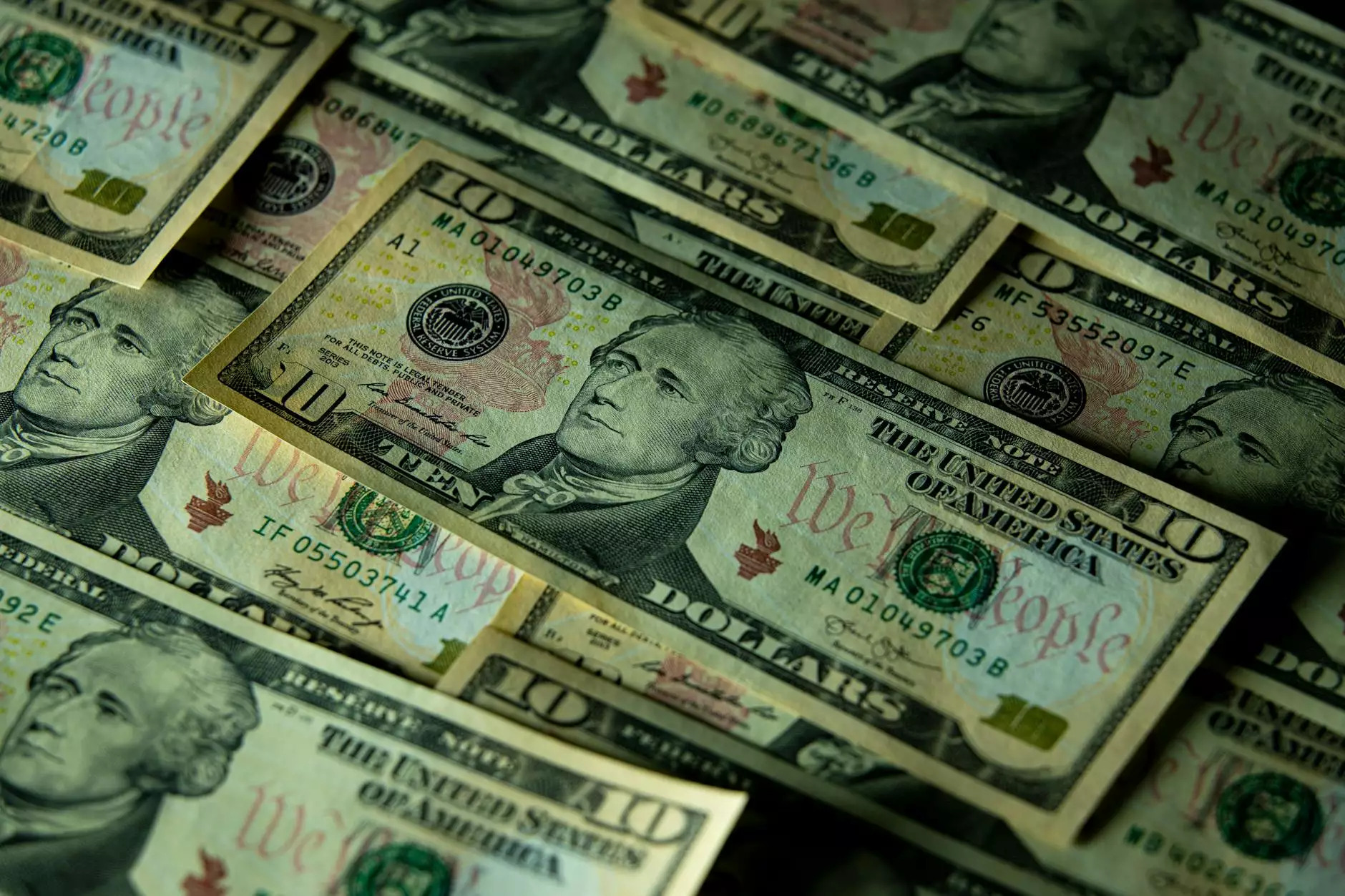
In the modern financial landscape, the issue of fake money remains a significant concern for governments, financial institutions, and businesses alike. While the term often evokes images of illicit activities, it is essential to understand the complexities surrounding counterfeit currency, especially in the context of counterfeit pounds sterling dealers. This detailed guide explores the nuances of fake money production, the role of reputable dealers, legal considerations, and the deep, often hidden, pathways of the counterfeit currency industry.
Understanding Fake Money: What Is Counterfeit Currency?
Fake money, also known as counterfeit currency, refers to money that is deliberately produced to look like legal tender but lacks genuine value. Counterfeit notes are designed to deceive individuals into believing they are authentic, which often leads to financial loss or criminal penalties. The evolution of counterfeit currency technology, coupled with sophisticated printing and security features, makes detecting fake money increasingly challenging.
The Evolution of Counterfeit Currency
- Early Counterfeit Techniques: Rough sketches and simple printing methods.
- Modern Methods: Digital printing, high-quality counterfeit notes, and advanced forgery techniques.
- Security Features: Holograms, microprinting, color-shifting inks, watermark, and security threads that make counterfeiting more difficult.
The Role of Counterfeit Pounds Sterling Dealers in the Currency Industry
Within the sphere of fake money, counterfeit pounds sterling dealers operate under a spectrum of legality. Some entities are engaged in illegal activities, while others may be involved in legal, educational, or collectible transactions. Understanding the nuances of these dealers is crucial for discerning genuine from illicit operations.
Legitimate vs. Illicit Dealers
- Illicit Dealers: Engage in the manufacturing and distribution of counterfeit currency for criminal purposes. Their activities are strictly illegal, carrying severe penalties.
- Reputable Dealers: Operate within strict legal boundaries, often involved in duplication for educational, film, or museum purposes, with proper licensing and authorization.
Legal Aspects and Risks Associated with Fake Money
Engaging in or even unknowingly purchasing counterfeit currency can have serious legal consequences. Countries worldwide have stringent laws against the production, distribution, and possession of fake money.
Legal Penalties for Counterfeit Currency
- Criminal Charges: Including imprisonment, heavy fines, and confiscation of assets.
- Economic Impact: Losses for businesses and consumers, damage to financial institutions, and erosion of public trust in the currency.
- Detection and Enforcement: Law enforcement agencies employ advanced technology and undercover operations to combat counterfeit activities.
How to Identify Genuine Pound Sterling Notes
Knowledge and vigilance are your best defenses against counterfeit pounds sterling notes. Here are some tips to recognize authentic currency:
- Check Watermarks: Hold the note up to light to see embedded watermarks that match the portrait and denomination.
- Use Ultraviolet Light: Many notes feature security threads or inks visible only under UV light.
- Microprinting and Fine Details: Look for tiny, intricate printed text or patterns that are difficult to forge.
- Holograms and Color Shifts: Observe hologram patches and color-shifting inks that change with angle.
- Texture: Genuine notes have a distinct feel due to the quality of paper and printing techniques used.
The Importance of Ethical and Responsible Handling of Fake Money
While the existence of counterfeit currency poses risks, it is equally important to approach this issue responsibly. Handling fake money without intending to commit fraud, particularly in educational contexts, can serve as a tool to improve detection skills.
For businesses, it's imperative to implement robust verification systems to protect against counterfeit notes — utilizing modern detection devices, staff training, and secure storage methods. For collectors and museums, legitimate dealers often acquire and handle replicas or educational materials strictly for display or research.
Choosing the Right Counterfeit Pounds Sterling Dealers: A Guide for Businesses and Collectors
When engaging with counterfeit pounds sterling dealers, it is crucial to discriminate between legal, licensed entities and illegal operators. Here are critical factors to consider:
How to Identify Reputable Dealers
- Licensing and Authorization: Verify licenses and compliance with local laws and regulations.
- Transparency: Clear information about their operations, purpose, and the nature of their products.
- Customer Feedback: Positive reviews and testimonials from trustworthy sources.
- Product Quality: High-quality reproductions intended solely for educational, cinematic, or display purposes.
- Legal Compliance: Adherence to laws regarding the trade, transfer, or exhibition of counterfeit or replica notes.
The Business Opportunities Within the Fake Currency Industry
Despite its controversial reputation, there are legitimate avenues within the domain of fake money, primarily centered around security testing, educational purposes, and entertainment.
Security and Anti-Counterfeiting Solutions
- Developing advanced anti-counterfeiting features for genuine currency.
- Offering security verification tools and mobile apps to help businesses and consumers detect fake notes.
- Providing training and certification programs for bank staff and retail employees.
Educational and Entertainment Uses
- Creating legal, high-quality replicas for movies, theater, and exhibitions.
- Distributing educational materials to law enforcement agencies, banking institutions, and universities.
- Producing chess or novelty novelty items that resemble true currency without circulation risks.
The Future of Currency Security and Counterfeit Prevention
As technology advances, so do the methods to combat counterfeit currency. Innovations like blockchain-based digital currencies, biometric security features, and sophisticated printing technologies are transforming the landscape of currency security. This ongoing arms race between counterfeiters and security experts underscores the importance of teamwork, innovation, and strict legal frameworks.
Emerging Technologies in Currency Security
- Blockchain: Secure, transparent digital ledger that reduces reliance on physical notes.
- Biometric Authentication: Integrating fingerprint or facial recognition into currency or transaction systems.
- Nanotechnology: Embedding micro-scale security features into banknotes that are difficult to replicate.
Conclusion: Navigating the Complex World of Fake Money
Understanding the intricacies of fake money and counterfeit pounds sterling dealers is essential for anyone involved in financial transactions, collection, or security. The line between illegal activity and legitimate operations becomes clear when considering licensing, intent, and adherence to legal standards. Whether you aim to protect your business, educate yourself, or support security innovations, staying informed and vigilant is key to navigating this complex industry.
At undetectedbanknotes.com, we prioritize ethical practices and provide valuable resources for understanding counterfeit currency, security solutions, and legal considerations. Remember, responsible handling and knowledge are your best weapons against the risks associated with fake money and counterfeit currency.