Comprehensive Guide to Electricity Suppliers and the Significance of v275c2 in Modern Power Systems
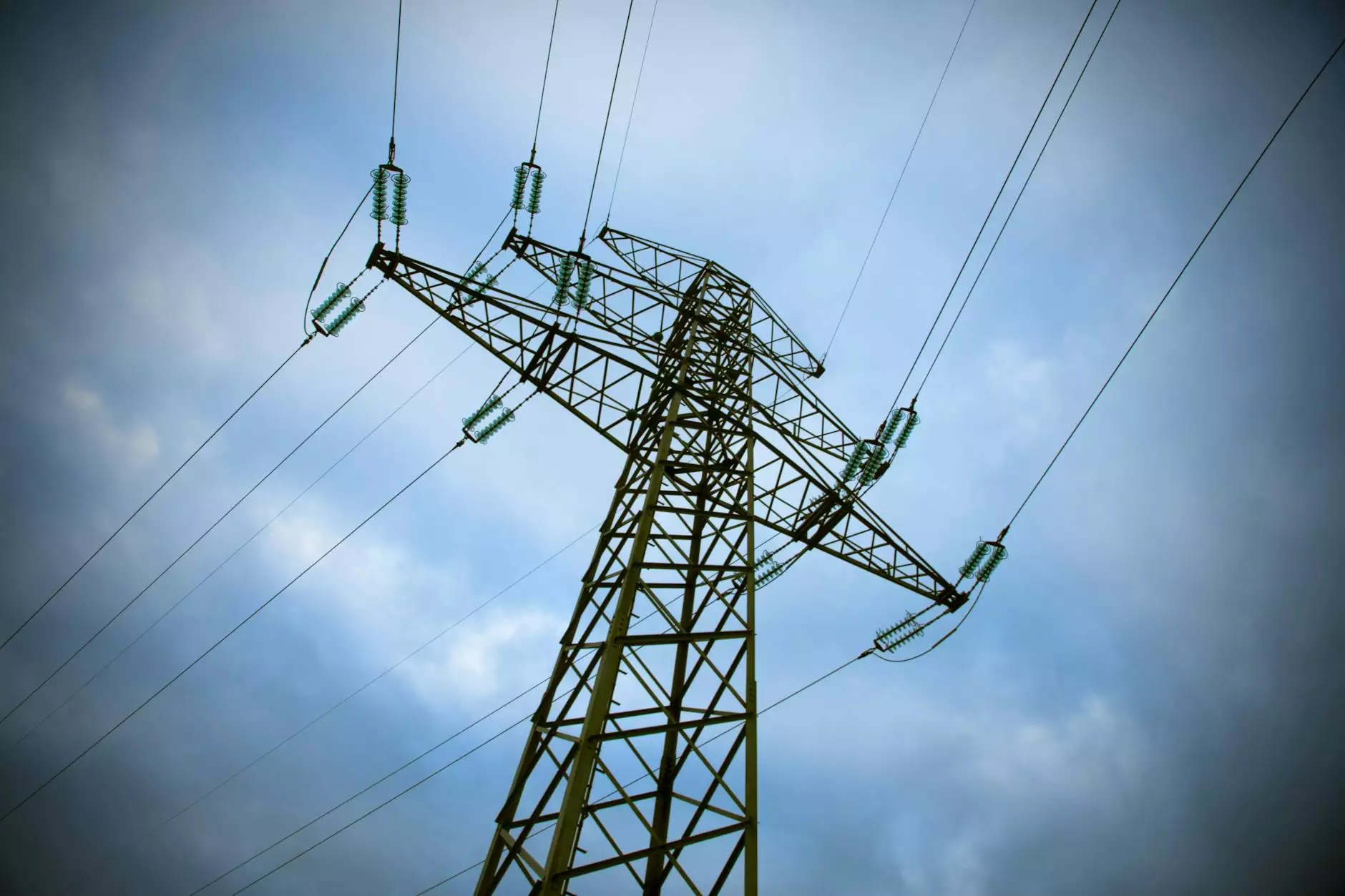
In the rapidly evolving landscape of the energy sector, electricity suppliers play a pivotal role in ensuring reliable, efficient, and sustainable power delivery to consumers across various industries. As technology advances and regulatory frameworks tighten, understanding the nuanced components such as v275c2 becomes essential for stakeholders aiming to optimize performance, improve safety standards, and embrace innovation. This extensive guide delves deep into the world of electricity suppliers, provides insights into critical technical codes, and articulates strategies to harness the full potential of modern electrical infrastructure.
Understanding Electricity Suppliers: Foundations and Roles
Electricity suppliers are the entities responsible for generating, transmitting, and distributing electrical power to end-users — whether residential, commercial, or industrial. Their primary objective is to deliver consistent voltage and current, ensuring the safety and efficiency of electrical systems while complying with strict regulations and standards.
The core functions of electricity suppliers include:
- Power Generation: Utilizing various energy sources such as fossil fuels, nuclear, hydro, wind, and solar to produce electricity at scale.
- Transmission: Transferring high-voltage power via a complex network of transmission lines designed to minimize losses and maintain grid stability.
- Distribution: Converting high-voltage electricity to lower voltages suitable for end-use and distributing it through local networks.
- Customer Service: Managing billing, support, and technical troubleshooting for consumers.
In today’s marketplace, electricity suppliers are increasingly integrating renewable energy sources, employing smart grid technologies, and deploying innovative solutions such as energy storage and demand response systems, all aimed at meeting sustainability goals and regulatory compliance.
The Evolution of Electrical Standards and Codes: Spotlight on v275c2
With the dawn of complex electric systems, the importance of standardized codes and technical identifiers cannot be overstated. Among these, v275c2 stands out as an essential technical marker within the realm of electrical engineering and power system regulation. Although at first glance 'v275c2' appears as a cryptic code or identifier, it encapsulates critical specifications vital for ensuring system compatibility, safety, and efficiency.
Understanding what v275c2 represents involves dissecting its components:
- v275: Typically indicates a voltage rating of 275 kV, representing very high-voltage systems used in transmission networks.
- c2: Often suggests a class, type, or version within a particular standard, possibly relating to insulation, cable types, or configuration specifications.
The Technical Significance of v275c2 in Power Systems
v275c2 serves as a critical designation in the design and operation of high-voltage transmission lines. It informs engineers and technicians of the specific parameters, such as voltage capacity, insulation requirements, and connection protocols, necessary for safe and reliable operation.
Why v275c2 Matters for Electricity Suppliers
- System Compatibility: Ensures that compatible components and equipment are used in transmission and distribution networks, reducing failure risks.
- Safety Assurance: Helps to prevent electrical faults, surges, and insulation breakdowns by adhering to specific standards indicated by the c2 class.
- Efficiency Optimization: Proper specification minimizes energy losses during transmission, conserving resources, and reducing costs.
- Regulatory Compliance: Aligns infrastructure with national and international safety standards, fostering trust and legal adherence.
Enhanced Reliability and Safety Through Proper Specification
Incorporating the detailed characteristics signified by v275c2 enhances overall system reliability. High-voltage transmission lines designated with this code are designed to withstand environmental stressors, maintain stability during load fluctuations, and facilitate maintenance and troubleshooting.
For electricity suppliers, implementing and adhering to specifications like v275c2 is fundamental. It directly translates into fewer outages, reduced maintenance costs, and longer lifespan for critical infrastructure components.
Innovative Technologies Supporting v275c2 Standards
Modern power systems are increasingly leveraging technological advancements to comply with complex standards such as v275c2. These include:
- Smart Grid Technology: Enables real-time monitoring, automating responses to system anomalies and optimizing power flow.
- Advanced Insulation Materials: Using superior insulation materials aligned with the c2 class to enhance safety margins.
- Automated Maintenance: Employing drones, robotics, and IoT devices to perform inspections and maintenance efficiently.
- Simulation Tools: Advanced simulation platforms allow detailed modeling of high-voltage systems designated by codes like v275c2, ensuring robustness before physical deployment.
Future Trends in Electricity Supply and the Role of Technical Codes
The future of electricity supply is rooted in ushering comprehensive, resilient, and sustainable power systems. Codes such as v275c2 will continue to evolve, supporting the integration of renewable energy, decentralized grids, and smart management strategies.
Emerging trends include:
- Decentralized Energy Generation: Small-scale, localized power sources paired with robust transmission standards to ensure grid stability.
- Green Energy Transition: Calibration of codes like v275c2 to accommodate renewable integration without compromising safety.
- Cybersecurity Enhancements: Protecting critical infrastructure against digital threats, complementing physical standards.
- Artificial Intelligence: Leveraging AI for predictive maintenance and system optimization adhering to high-voltage standards.
Strategies for Electricity Suppliers to Maximize Infrastructure Potential
To achieve competitive advantage and sustainable growth, electricity suppliers should adopt strategic measures:
- Invest in Training: Equip personnel with knowledge of technical standards like v275c2 and cutting-edge technology.
- Upgrade Infrastructure: Regularly modernize transmission and distribution systems to meet evolving standards.
- Implement Smart Technologies: Adopt IoT, automation, and data analytics to enhance efficiency and safety.
- Collaborate with Regulatory Bodies: Stay aligned with policy changes and standards updates for future-proof operations.
- Focus on Sustainability: Integrate renewable energy sources and enhance energy storage solutions for a resilient power grid.
Conclusion: Embracing a Future-Ready Power Industry
The significance of detailed technical codes such as v275c2 cannot be overstated in constructing a robust, safe, and efficient electricity supply framework. As the industry shifts toward more sustainable and technologically advanced systems, understanding and implementing such standards become crucial steps in achieving operational excellence. Electricity suppliers who prioritize compliance, innovation, and strategic upgrades will not only ensure reliable power delivery but will also position themselves as leaders in the global energy transition. By embracing these standards and continuously evolving with technological advancements, the future of power generation and distribution promises to be brighter, smarter, and more sustainable.
Begin Your Journey Towards Superior Electricity Supply Today
If you're committed to optimizing your electrical infrastructure, understanding the importance of codes like v275c2 is essential. Explore our comprehensive resources and expert solutions that can help elevate your power systems to meet the highest standards of performance and safety.
For more information, visit allure.com.ua and discover tailored electricity supply solutions designed to meet your unique needs.