Understanding Road Sweeper Machines: A Comprehensive Overview
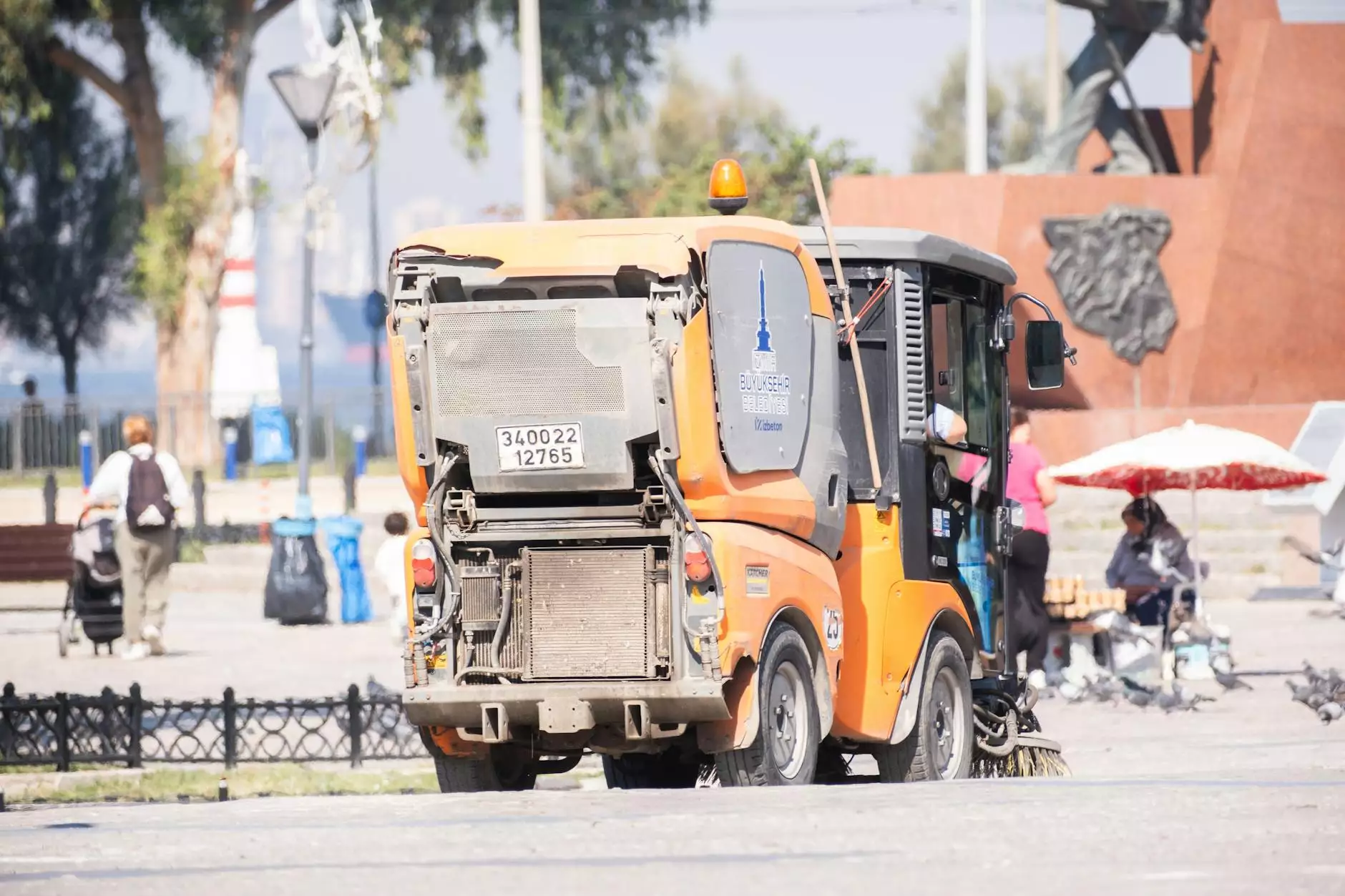
In the ever-evolving world of urban management and maintenance, the road sweeper machine stands out as a pivotal tool. These innovative machines play an essential role in keeping our streets clean, safe, and aesthetically pleasing. In this detailed guide, we will delve into the numerous aspects of road sweeper machines, including their functionality, types, benefits, maintenance, and the latest technological advancements.
What is a Road Sweeper Machine?
A road sweeper machine is a specialized vehicle designed for cleaning streets and roadways by removing loose debris, leaves, dirt, and other pollutants. With urban areas witnessing increasing amounts of debris due to both natural and human activities, street cleaning has become a vital service to maintain hygiene and prevent environmental hazards. Road sweepers come equipped with various features that enhance their cleaning efficiency.
The Importance of Road Cleaning
Road cleanliness significantly impacts our communities. Here are some reasons why maintaining clean roads is essential:
- Public Health: Clean roads help prevent illnesses caused by accumulated waste and debris.
- Aesthetic Appeal: Well-maintained streets enhance the visual appeal of neighborhoods, boosting property values.
- Environmental Protection: Regular sweeping helps capture pollutants before they enter waterways.
- Safety: A clean roadway reduces accidents caused by debris and improves overall traffic safety.
Types of Road Sweeper Machines
Understanding the different types of road sweeper machines helps municipalities and contractors select the right equipment for their needs. Here are the most common types:
1. Mechanical Road Sweepers
Mechanical road sweepers use rotating brushes to dislodge and collect debris. They are typically used in public spaces such as parks, streets, and parking lots.
2. Vacuum Road Sweepers
Vacuum sweepers utilize suction to pick up debris. They are particularly effective in removing fine particles and can clean both hard and soft surfaces.
3. Regenerative Air Sweepers
These machines use air to lift and collect debris. They are highly efficient and leave a clean surface, making them suitable for urban environments.
Key Features of Modern Road Sweeper Machines
Modern road sweeper machines come equipped with various features that enhance their performance and usability:
- Advanced Filtration Systems: These systems capture dust and pollutants, improving air quality while cleaning.
- Eco-Friendly Designs: Many machines run on alternative energy sources, reducing their carbon footprint.
- GPS Tracking: This technology allows for efficient route planning and effective operation management.
- Real-Time Monitoring: Operators can monitor machine performance and maintenance needs in real-time.
The Benefits of Using Road Sweeper Machines
Investing in a road sweeper machine offers numerous advantages:
1. Increased Efficiency
These machines can clean streets faster and more thoroughly than manual labor. This efficiency helps municipalities save on labor costs and time.
2. Enhanced Safety
Regularly cleaning roads minimizes the risk of accidents caused by debris, thus making urban environments safer for pedestrians and drivers alike.
3. Reduced Environmental Impact
By capturing pollutants and debris, road sweepers help reduce the number of contaminants that enter the stormwater system, protecting local ecosystems.
4. Improved Aesthetic Appeal
Clean streets enhance the appearance of neighborhoods, fostering a sense of pride among residents.
Maintenance Tips for Road Sweeper Machines
To ensure longevity and optimal performance, regular maintenance is crucial. Here are some tips for maintaining a road sweeper machine:
1. Routine Inspection
Conduct regular checks of the brushes, filters, and vacuum systems. Look for wear and tear to ensure efficiency and avoid costly repairs.
2. Cleaning the Machine
After use, wash the machine to remove debris and dust. This practice prevents buildup that can lead to malfunctions.
3. Fluid Changes
Regularly change engine oils and hydraulic fluids according to the manufacturer’s recommendations.
4. Proper Storage
Store the machine in a clean, sheltered environment to protect it from the elements and prolong its lifespan.
Innovations in Road Sweeper Machines
The road sweeping industry is continuously evolving with technological advancements. Some recent innovations include:
1. Autonomous Cleaning Machines
Autonomous road sweepers can clean streets without human intervention, utilizing sensors and mapping technology to navigate urban environments efficiently.
2. Smart Technology Integration
Many modern road sweepers are integrating smart technology to streamline operation, including predictive maintenance and performance analytics.
3. Eco-Friendly Alternatives
The shift towards electric and hybrid road sweeper machines reduces noise pollution and emissions, making them suitable for environmentally conscious municipalities.
Choosing the Right Road Sweeper Machine for Your Needs
Selecting the appropriate road sweeper machine involves considering several factors:
1. Type of Debris
Assess the types of debris commonly found in your area. For heavy debris, mechanical sweepers may be more effective, while vacuum sweepers are ideal for fine particles.
2. Frequency of Use
If frequent cleaning is needed, consider machines designed for high performance and durability.
3. Budget Considerations
Cost is always a factor. Evaluate both the initial investment and the long-term operational costs, including maintenance and fuel.
Conclusion
In conclusion, the road sweeper machine represents a vital tool in modern urban management. With their ability to enhance public health, safety, and aesthetic values, these machines are indispensable in maintaining our communities. By understanding their functionality, maintenance requirements, and the latest innovations, municipalities and businesses can make informed decisions that benefit both the environment and their operational efficiency. With the future in mind, continued advancements will likely lead to even greater capabilities, aligning with the pressing needs of urban life.