Understanding Dental Implants and Prices
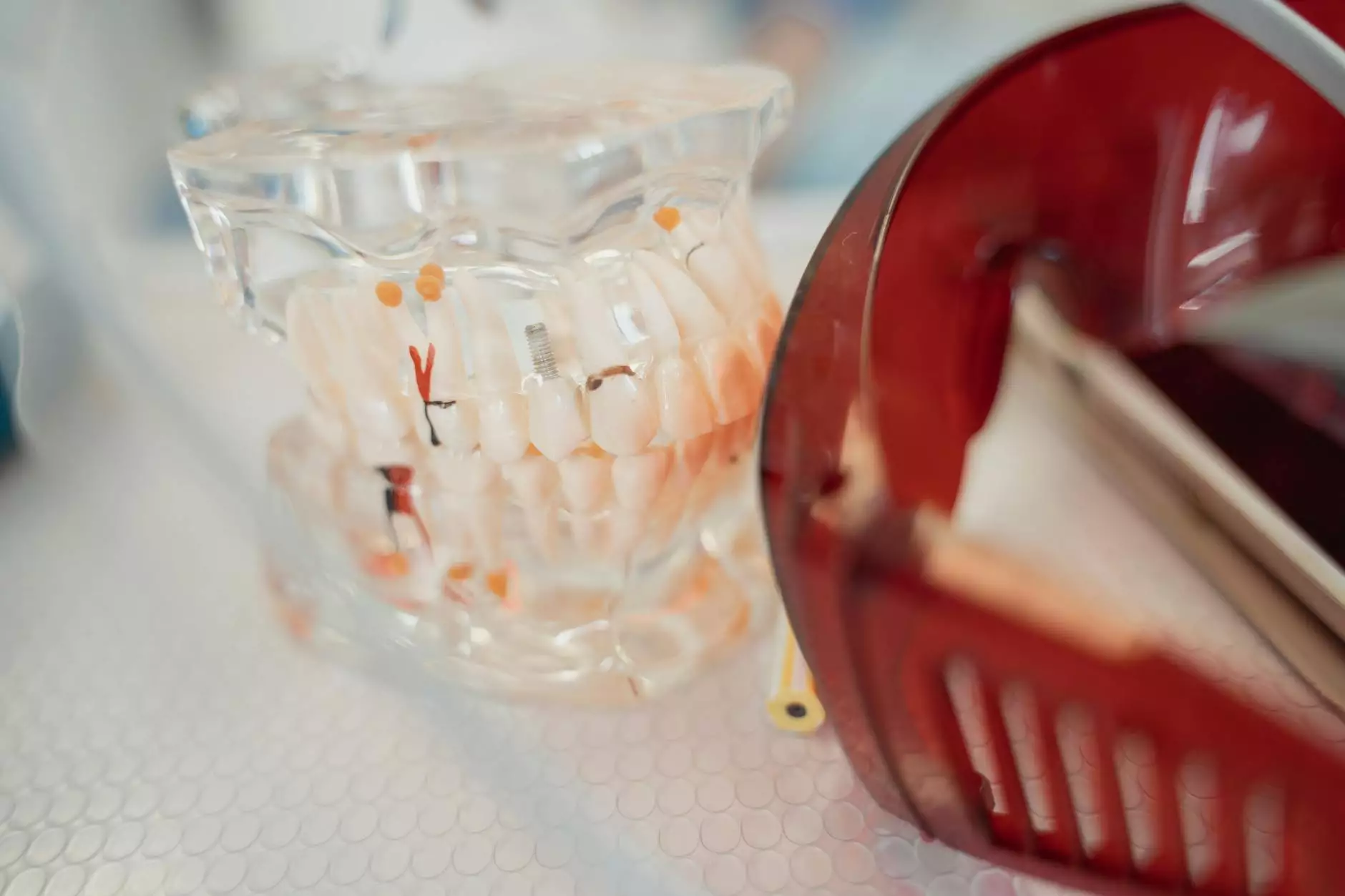
In today's fast-paced world, maintaining a bright and healthy smile is essential. Dental implants have emerged as a revolutionary solution for those seeking to restore their dental aesthetics and functionality. This article delves deeply into the world of dental implants and prices, offering valuable insights for patients considering this life-changing procedure.
What are Dental Implants?
Dental implants are titanium posts surgically inserted into the jawbone, acting as artificial roots for replacement teeth. These implants provide a strong foundation for fixed or removable replacement teeth that are designed to blend perfectly with your natural teeth.
The Components of Dental Implants
Dental implants consist of several critical components:
- Implant Fixture: The titanium post that is embedded into the jawbone.
- Abutment: A connector that supports and holds the crown.
- Crown: The visible part of the implant, custom-made to resemble your natural teeth.
Benefits of Dental Implants
Choosing dental implants over other restorative options carries numerous advantages, such as:
- Improved Aesthetic Appearance: Implants closely mimic the look and feel of natural teeth.
- Enhanced Functionality: They restore full chewing power, allowing individuals to eat their favorite foods without pain or discomfort.
- Longevity: With proper care, dental implants can last a lifetime, making them a cost-effective solution.
- Bone Preservation: Implants help prevent bone loss in the jaw, a common issue after tooth loss.
- Convenience: Unlike dentures, dental implants do not require removal for cleaning.
Understanding Dental Implants and Prices
When considering dental implants and prices, it's important to note that costs can vary significantly based on numerous factors:
Factors Influencing Dental Implant Costs
- Location: Geographic location plays a crucial role in pricing, with urban areas generally having higher costs.
- Surgeon’s Expertise: The experience and reputation of the oral surgeon can impact the overall cost.
- Material Quality: The type of materials used for the implant and crown affects the price.
- Bone Grafting: If a patient requires bone grafting prior to implantation, this will increase the overall cost.
- Personnel and Facility Fees: Anesthesia and facility fees can vary, contributing to the overall price.
Typical Pricing for Dental Implants
The average cost of a single dental implant can range from $3,000 to $4,500, which typically includes the implant, abutment, and crown. Here’s a clearer breakdown:
- Implant Fixture: $1,000 - $2,500
- Abutment: $300 - $500
- Crown: $1,000 - $3,000
- Bone Grafting (if necessary): $200 - $3,000
Insurance and Financing Options
Many dental insurance plans offer partial coverage for dental implants. It is essential to check with your provider to understand your coverage and any limitations. For those without insurance, several financing options exist:
- Payment Plans: Many dental offices provide payment plans that allow patients to pay over time.
- Healthcare Credit Cards: Special credit cards designed for medical expenses can help manage costs.
- Personal Loans: Some may choose to take out a personal loan to cover dental procedures.
Dental Implant Procedure Overview
Understanding the dental implant procedure helps in setting realistic expectations:
- Consultation and Exam: Initial consultaion includes a thorough examination to assess oral health.
- Implant Surgery: Under local anesthesia, the implant is placed in the jawbone.
- Osseointegration: A healing period of several months allows the bone to grow around the implant.
- Abutment Placement: Once healed, the abutment is attached to the implant.
- Crown Attachment: Finally, a custom-made crown is attached to complete the process.
Long-Term Care for Dental Implants
Maintaining your dental implants is crucial for their long-term success. Follow these care tips:
- Regular Check-Ups: Schedule routine visits to your dentist for exams and cleanings.
- Daily Oral Hygiene: Brush and floss daily to maintain oral health.
- Avoid Hard Foods: Take care not to bite down on hard objects that could damage implants.
- Stop Smoking: Smoking can interfere with healing and increase the risk of complications.
Conclusion
Dental implants represent a significant investment in your oral health and overall quality of life. By understanding the dental implants and prices, you can make informed choices that will lead to better outcomes. As you explore your options, consider visiting reliable resources like wupdoc.com to gather accurate information tailored to your needs.
With the right information and support, you can achieve the confident smile you deserve. Schedule a consultation today and take the first step towards transforming your dental health!