Understanding Counterfeit Euros: A Comprehensive Guide
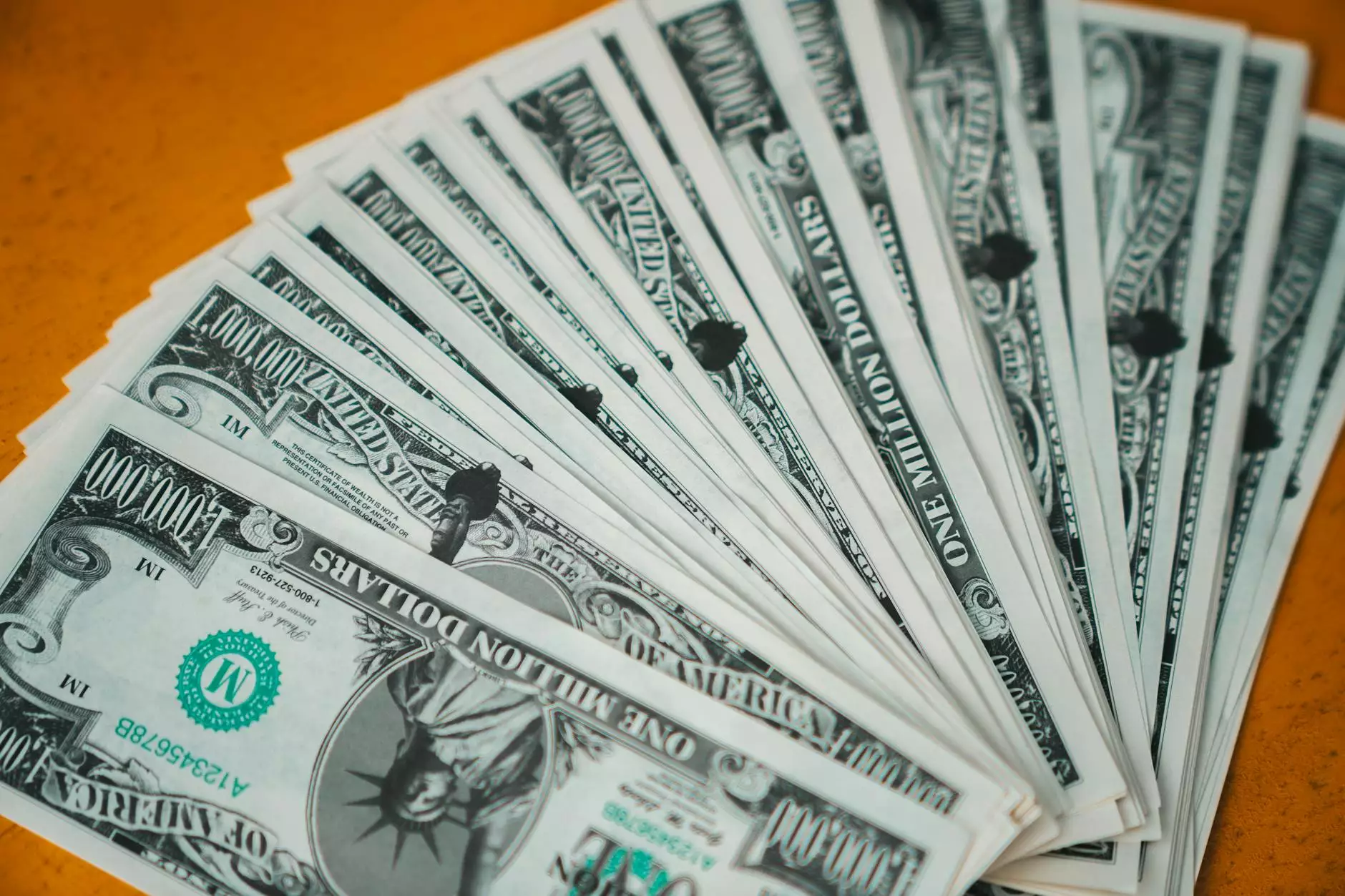
The rise of counterfeit euros has significant implications for both the economy and consumers. Counterfeit currency poses a threat to the integrity of financial systems and undermines trust in legal tender. In this article, we explore the dynamics of counterfeit euros, offering you essential insights into their identification and the broader implications of the money for sale in the market.
The Global Context of Counterfeit Euros
Euros are one of the most widely circulated currencies in the world, used by millions of people across Europe and beyond. The European Central Bank (ECB) actively engages in measures to combat counterfeiting to protect the integrity of the euro. Nevertheless, counterfeit euros circulate among unsuspecting buyers and sellers, impacting businesses and everyday transactions. Understanding the global context allows businesses like globcoffs.com to navigate these challenges effectively.
What Are Counterfeit Euros?
Counterfeit euros refer to fake bills that attempt to replicate the authentic euro currency with the intention of deceiving the recipient. These fake notes can be produced using various methods and materials, and as such, their quality can vary greatly. Counterfeit euros can often be identified by their distinctive features, which we will detail below.
The Dangers of Counterfeit Currency
The dangers posed by counterfeit euros extend beyond individuals to affect the overall economy. Here are some critical risks:
- Erosion of Trust: When counterfeit money circulates, it undermines trust in the financial system.
- Economic Impact: Counterfeiting can lead to inflation and economic instability, as counterfeit notes increase the money supply without corresponding economic growth.
- Legal Consequences: Possessing or distributing counterfeit currency carries severe penalties, including hefty fines and imprisonment.
- Loss of Revenue: Businesses that unknowingly accept counterfeit euros can suffer financial losses.
Identifying Counterfeit Euros
Spotting fake euros requires awareness and knowledge of their security features. Here are essential characteristics to look out for:
1. Security Features of Euro Notes
Real euro notes incorporate multiple security features designed to prevent counterfeiting:
- Watermark: A transparent window showing the portrait of Europa when the note is held up to light.
- Color-Changing Ink: The number indicating the euro value changes color when tilted.
- Microprinting: Small text that is difficult to reproduce appears in several places on a genuine note.
- Anti-UV Features: Under UV light, the euro note exhibits distinct patterns and colors.
2. The Feel Test
Authentic euro banknotes have a distinct texture. They are printed on a polymer that gives them a crisp feel. In contrast, counterfeit notes may feel flimsy or overly smooth. Running your fingers along the surface can give you valuable clues about the note's authenticity.
Market for Counterfeit Euros
Despite efforts to eradicate counterfeit currency, a market for fake euros persists. This underground economy thrives due to various factors, including the demand for quick cash, ignorance about euro security features, and accessibility of technology for reproduction.
1. Origin of Counterfeit Currency
Counterfeit euros often originate in regions with lax law enforcement and high technological capabilities. Counterfeiters may utilize advanced printing techniques, making it increasingly difficult for untrained individuals to identify fakes.
2. Purchase of Counterfeit Euros Online
Some websites offer counterfeit euros under the guise of "replica" or "novelty" currency. While these notes are often marked as replicas, some buyers may unwittingly attempt to use them as real currency, leading to legal issues. It’s essential for consumers to be vigilant about the source of their funds.
Protecting Yourself from Counterfeit Euros
As a consumer or business owner, safeguarding yourself from counterfeit euros is crucial. Here are strategies to mitigate risk:
- Educate Yourself: Familiarize yourself with the security features of genuine euro notes.
- Use Technology: Utilize counterfeit detection machines or apps that help verify the authenticity of banknotes.
- Be Cautious in Transactions: Especially in high-volume cash transactions, always take extra steps to verify the money.
- Report Suspicious Activity: If you encounter suspected counterfeit euros, report it to local authorities immediately.
The Role of Businesses Like Globcoffs.com in Currency Safety
Businesses, especially those engaged in money for sale, play a pivotal role in combating counterfeit currency. By ensuring that only authentic currency circulates, companies like globcoffs.com contribute positively to the economy. They can implement policies to:
1. Train Employees
Proper training for employees on recognizing counterfeit euros is critical. Regular workshops can help staff stay updated on the latest identification techniques.
2. Invest in Security Measures
Investing in counterfeit detection equipment can save businesses from financial losses associated with accepting fake euro notes.
Legal Framework Against Counterfeiting
At both national and international levels, legal frameworks exist to combat the counterfeiting of euros. The European Union has enacted stringent laws that provide for prosecution and severe penalties for those involved in counterfeiting activities.
1. EU Legislation
Counterfeiting is regarded as a serious crime in the EU, with legislation in place that enshrines strong measures against producing and distributing counterfeit euros.
2. International Cooperation
Cooperation between EU nations and international law enforcement agencies, such as Interpol, enhances the ability to tackle counterfeiting initiatives effectively.
Conclusion
Counterfeit euros pose a substantial risk to the economy and to individuals. By understanding their characteristics, how to detect them, and how businesses can foster a trustworthy currency environment, we can collectively mitigate their impact. Companies like globcoffs.com are positioned at the forefront of this battle, ensuring that the currency in circulation maintains its integrity.
In your day-to-day transactions involving euros, remain vigilant, educate yourself continuously, and leverage available technology. Protecting yourself against counterfeit euros is not just a personal responsibility; it contributes to the overall strength and stability of the economy.