Understanding International Air Freight Rates: A Comprehensive Guide
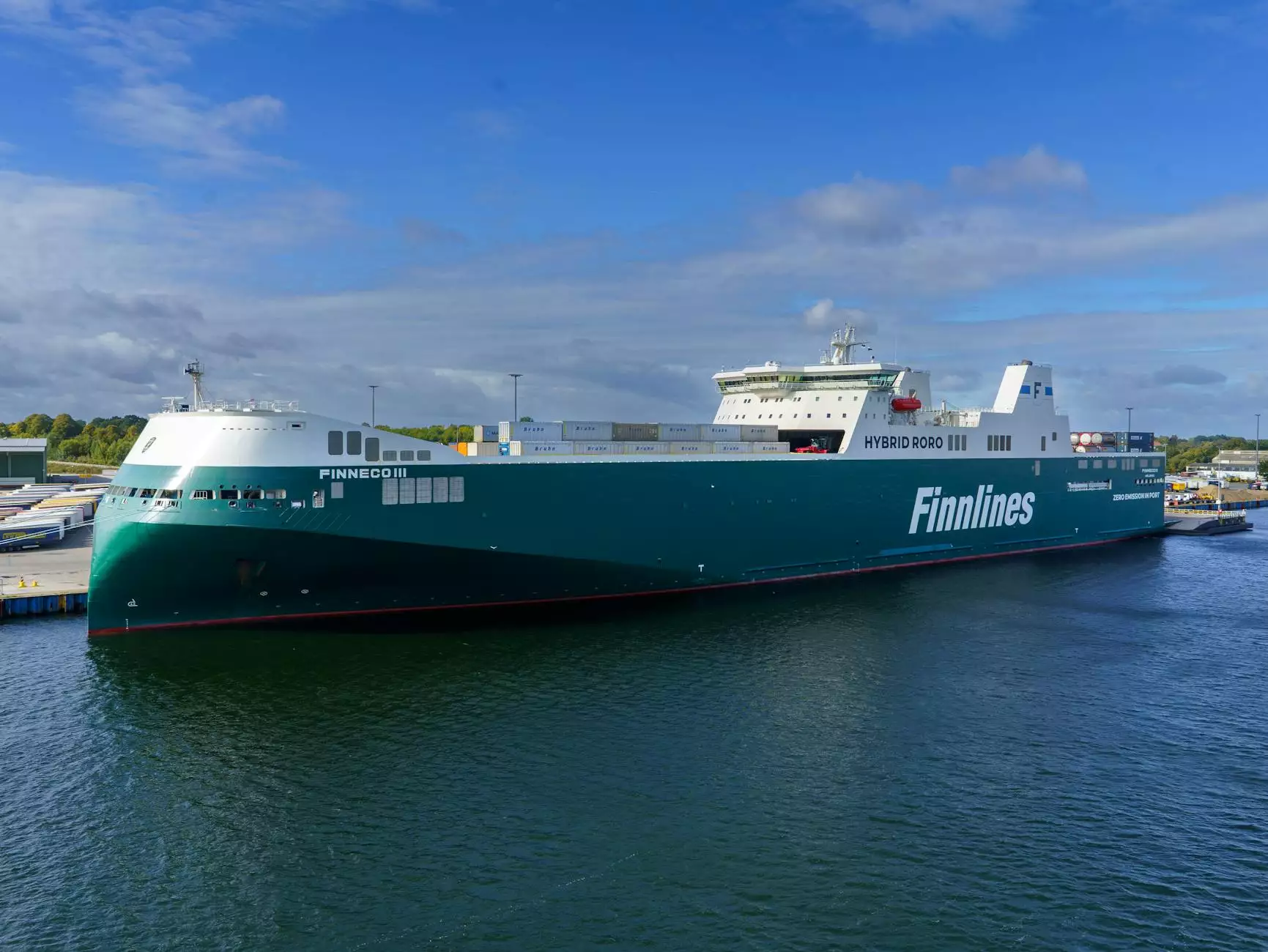
International air freight rates play a critical role in global trade and commerce. In today's interconnected world, efficient shipping practices are essential for businesses looking to expand their reach. This article delves extensively into the factors influencing these rates, the types of services available, and tips on how to minimize costs while maximizing efficiency.
The Importance of International Air Freight
When considering logistics, international air freight stands out as a premier option for businesses needing speed and reliability. Unlike sea or land transportation, air freight allows for rapid transit times, ensuring that goods reach their destinations promptly. This is vital for industries such as:
- Perishable Goods: Food products, pharmaceuticals, and other time-sensitive materials benefit greatly from air shipping.
- High-Value Items: Electronics, luxury goods, and specialized machinery often justify the higher costs associated with air freight.
- Urgent Shipments: Businesses that require quick replenishment of stock or promotional materials rely on fast delivery options.
Factors Influencing International Air Freight Rates
International air freight rates are not static; they fluctuate based on a variety of factors. Understanding these elements can help businesses make informed decisions about their shipping options. Here are some key factors:
1. Weight and Volume of Cargo
The weight and volume of the shipment significantly impact freight costs. Airlines typically charge based on dimensional weight, which means that both the size and weight of the package affect overall pricing. Businesses should carefully calculate the dimensional weight using the formula:
Dimensional Weight (kg) = (Length (cm) x Width (cm) x Height (cm)) / 5000
It's essential for shippers to assess this correctly to avoid unexpected charges.
2. Type of Cargo
The nature of the cargo influences air freight costs. Hazardous materials, perishables, or oversized items typically incur additional fees due to the special handling they require. Understanding the category your shipment falls into can help you anticipate potential costs.
3. Origin and Destination
The geographic locations involved can significantly affect rates. Remote locations may incur additional surcharges, while major shipping hubs often have more competitive pricing due to higher volumes of shipments. For instance, shipping from major airports like London Heathrow or Los Angeles International Airport will typically offer lower rates compared to shipping from regional airports.
4. Seasonal Demand
Air freight rates tend to fluctuate with seasonal demand. Peak seasons, such as holidays or major sales events, often see increased rates due to higher demand for shipping capacity. Companies should plan their shipping strategies around these peaks to reduce costs.
5. Fuel Prices
Air cargo transport is heavily affected by global fuel prices. When fuel prices rise, airlines often pass these costs onto customers through fuel surcharges, which can dramatically impact overall shipping rates.
Understanding Different Types of Air Freight Services
Air freight services can vary widely, offering businesses a range of choices to fit different needs:
1. Standard Air Freight
This is the most common service and provides reliable shipping at a moderate cost. It’s suitable for general cargo that isn’t time-sensitive.
2. Express Air Freight
For businesses needing immediate delivery, express air freight services provide the fastest transit times, even at a premium cost. This service is ideal for urgent documents, last-minute orders, and critical shipments.
3. Charter Services
In some cases, a business may need to send a large volume of cargo or sensitive goods that require dedicated transportation. Charter services provide the flexibility to transport goods based on the company’s unique requirements.
How to Minimize International Air Freight Costs
While international air freight rates can be daunting, businesses can adopt strategies to manage costs effectively:
1. Negotiate Rates
Building a rapport with air freight forwarders or carriers can lead to better rates. Regular shipping volumes and loyalty can sometimes result in discounts and better service options.
2. Optimize Packaging
Effective packaging can prevent dimensional weight charges. Ensure that your items are packaged efficiently to minimize space without compromising safety. Lightweight materials can also help reduce overall weight.
3. Plan Shipments Wisely
Understanding seasonal demands and planning shipments accordingly can help avoid peak pricing periods. Advance planning can lead to favorable rates.
4. Use Technology
Implementing logistics management software can offer insights into freight options, enabling business owners to compare rates and find the most cost-effective solutions.
5. Consider Multi-Modal Solutions
For some routes, combining air freight with ground logistics might offer cost savings. This mixed approach can reduce air travel costs while maintaining reasonable speed.
The Future of International Air Freight Rates
As the global economy evolves, so do the factors influencing international air freight rates. Innovations such as:
- Drone Deliveries: Increasingly, businesses are exploring the use of drones for last-mile deliveries, which could disrupt traditional freight models.
- Blockchain Technology: Enhancing transparency and tracking within shipping, blockchain may create efficiencies that ultimately lower freight rates.
- Sustainable Practices: As sustainability becomes a priority, the industry may see shifts towards greener alternatives, influencing costs.
Conclusion
In conclusion, understanding international air freight rates is essential for any business engaged in global trade. By recognizing the various factors that influence these rates and employing strategic approaches to minimize costs, companies can improve their logistics operations. Staying informed about industry trends will empower businesses to navigate the complex world of air freight confidently. For more information on how your business can optimize its air freight logistics, visit cargobooking.aero.