The Fascinating World of Business and Fake Currency - A 5 Dollar Bill
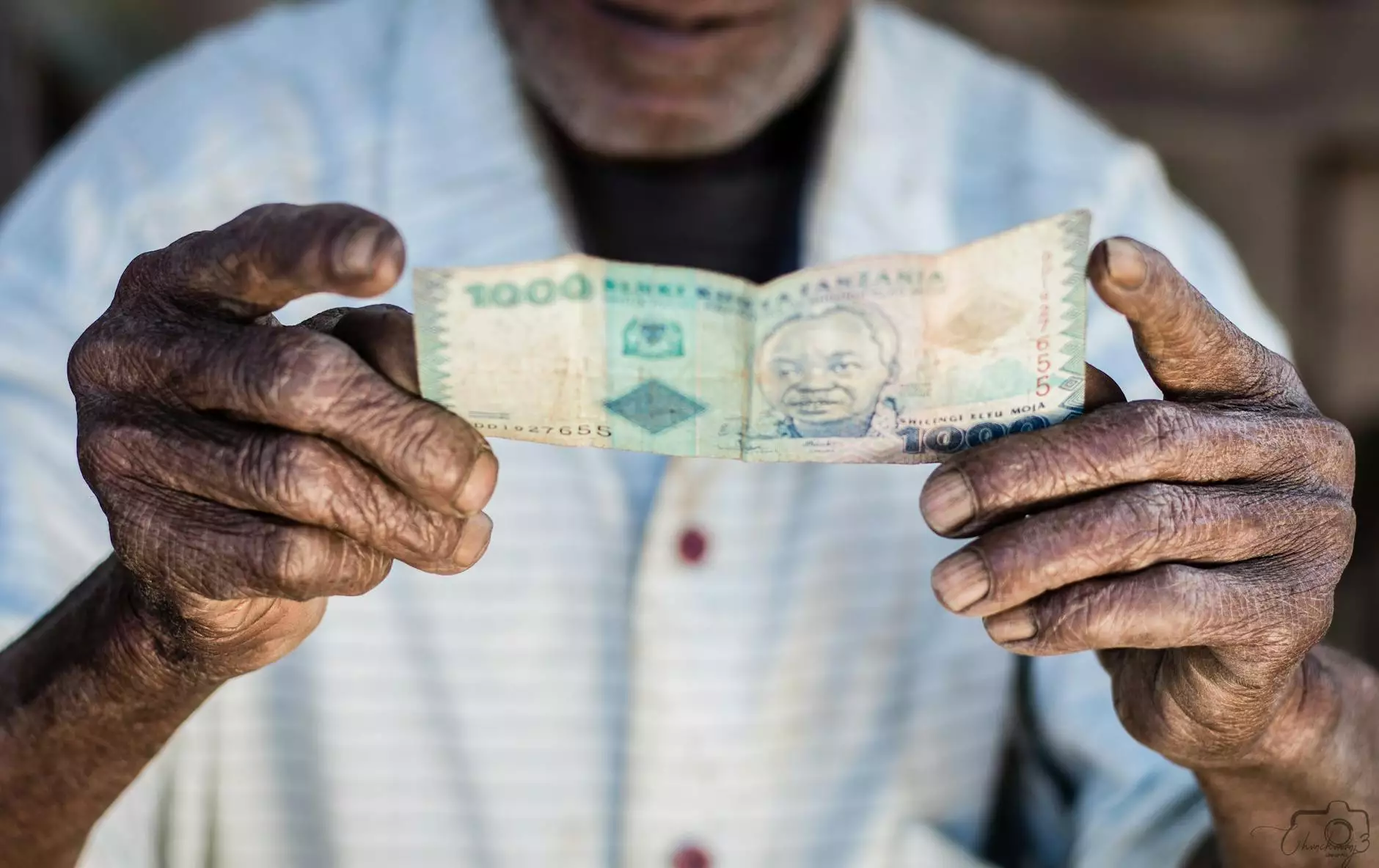
In today's globally interconnected marketplace, the dynamics of business evolve at a breathtaking pace. One aspect that frequently piques interest is the existence and commerce surrounding fake money, particularly items like a 5 dollar bill. This article delves deep into the world of counterfeit currency, its implications, significance, and relevance in the business realm.
Understanding Fake Currency
The term "fake currency" often evokes images of crime and deception. However, this facet of commerce is much more nuanced. Understanding fake currency begins with recognizing what constitutes counterfeit money. Counterfeit money refers to imitations made to resemble genuine banknotes. While the primary goal of counterfeiting is to deceive and profit illegally, the certain types of reproduction also serve educational purposes.
Types of Fake Currency
- Play Money: This is often used for educational purposes or in promotions.
- Movie Money: Crafted for the film industry for realistic scenes without using real currency.
- Replica Currency: Designed for collectors that aim to replicate historical notes.
The Role of Currency Denominations
Currency denominations play a vital role in the perception and utility of money. Among various denominations, a 5 dollar bill stands out for its unique characteristics and symbolic value. While smaller denominations may seem less significant, they are often the most circulated, influencing daily transactions.
The History of the $5 Bill
The history of the $5 bill is both rich and fascinating. Initially introduced in the late 19th century, the note has undergone numerous designs and alterations, reflecting the changing values of American society. In addition, the five-dollar bill is notable for featuring prominent figures such as Abraham Lincoln, symbolizing values of equality and freedom.
Why the $5 Bill Matters
In the realm of business, the significance of a 5 dollar bill extends beyond its face value. Here's why this denomination captures attention:
- Accessibility: It’s a small enough amount to be accessible for everyday transactions.
- Cultural Significance: $5 has become a staple in various transactions like coffee shop purchases, public transportation, and even as tips.
- Symbol of Change: The frequent use of the $5 bill symbolizes the impact smaller transactions have on the economy.
The Business of Fake Currency: Ethical Considerations
The business of fake currency, especially that revolving around items like a 5 dollar bill, brings forth ethical discussions. Distinguishing between illegal counterfeiting and legitimate reproduction is critical. Understanding these differences can help businesses operate within legal frameworks while recognizing the opportunities in this niche market.
Legitimate Markets for Fake Currency
When discussing the business aspect of fake currency, several legal and ethical avenues emerge:
- Education: Teaching about financial literacy often utilizes replicas or educational currency.
- Film and Entertainment: The film industry utilizes fake currency to avoid legal repercussions while maintaining realistic settings.
- Collectibles: Many collectors find replicas of various denominations, including a 5 dollar bill, appealing for their historical charm.
Positive Economic Impacts of Currency Reproduction
While counterfeit money is often viewed negatively, copies like a 5 dollar bill can have positive economic implications in specific contexts. For instance, reproducing bills for educational use can foster better financial understanding among young individuals. Here are some potential benefits:
- Enhancing Financial Literacy: Teaching children about money management using replicas can help shape a better understanding of economics.
- Supporting the Arts: The film and theater industries benefit from using fake currency, creating jobs and boosting local economies.
- Encouraging Collecting: Bringing attention to historical replicas can encourage interest in economic history and serve as conversation pieces.
Counterfeit Prevention and Security Features
Considering the prevalence of counterfeit money, the security features embedded in real currency have evolved dramatically. The five-dollar bill now hosts multiple security elements that can deter counterfeiting attempts:
- Watermarks: A recognizable figure embedded in the bill that is visible when held up to light.
- Color-Shifting Ink: Elements of the design change color when viewed from different angles.
- Microprinting: Tiny text which can only be read under magnification.
What the Future Holds for Currency
As technology advances, the future of currency—including a 5 dollar bill—is likely to see broad changes. Digital currencies are on the rise, influenced by the increasing reliance on technology for financial transactions.
Digital Transformation of Currency
Digital innovations pose intriguing implications for traditional denominations, including a 5 dollar bill:
- Cryptocurrency: Rising stars like Bitcoin and Ethereum are revolutionizing how we think about money.
- Online Transactions: Mobile banking and digital wallets change the way we handle finances, reducing the need for physical cash.
- Security Enhancements: Technology also introduces new security measures to prevent unlawful reproduction.
Conclusion: The Significance of Understanding Currency
Understanding the implications of various currencies, including a 5 dollar bill, is imperative in the business landscape. As we continue to navigate challenges and opportunities presented by both genuine and fake currencies, it is vital to grasp their impact on everyday commerce. Whether you are involved in discussions about financial literacy, counterfeit prevention, or the evolving nature of currency, knowledge is power.
In conclusion, the ecosystem surrounding fake currency is complex and fascinating, leading to ongoing discussions about legality, ethics, and socio-economic implications. Every stitch of knowledge we gain brings us closer to comprehending the broader economic canvas in which we operate.