Understanding Laparoscopic Left Salpingo Oophorectomy: A Comprehensive Guide
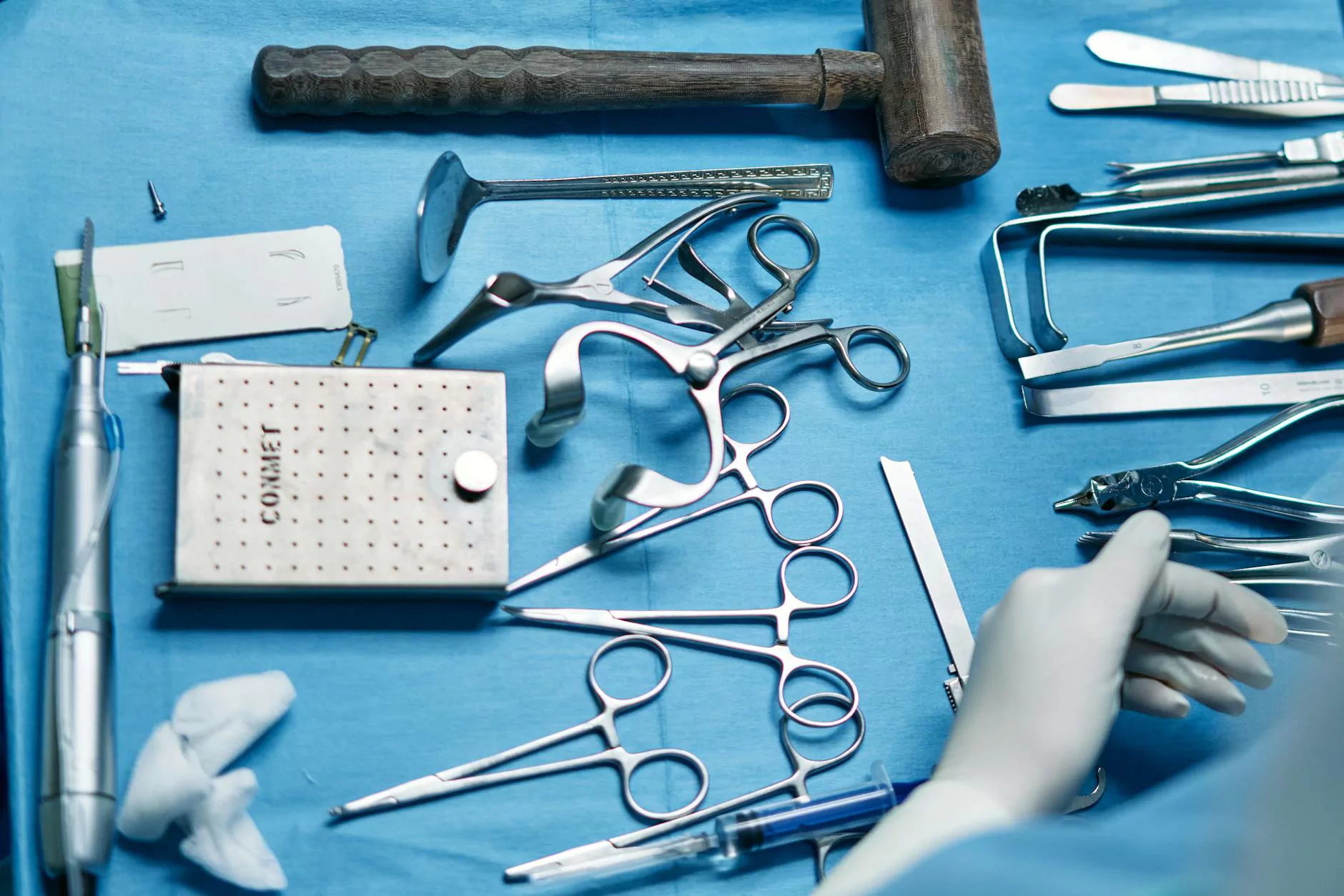
Laparoscopic left salpingo oophorectomy is a specialized surgical procedure that involves the minimally invasive removal of the left fallopian tube and ovary. This technique not only reduces recovery time but also minimizes trauma to the surrounding tissues.
What is Laparoscopic Left Salpingo Oophorectomy?
The term laparoscopic left salpingo oophorectomy refers to a surgical operation where the left ovary and the left fallopian tube are excised. This procedure is typically performed through small incisions in the abdomen using a laparoscope, a thin tube equipped with a camera and light that allows surgeons to see inside the body. The benefits of this minimally invasive approach include:
- Reduced Scarring: Smaller incisions lead to less visible scars.
- Shorter Recovery Time: Patients often experience shorter hospital stays and quicker return to normal activities.
- Minimized Pain: Many patients report less postoperative pain compared to traditional open surgery.
- Lower Risk of Infection: The smaller surgical site reduces the risk of infections significantly.
Indications for the Procedure
Laparoscopic left salpingo oophorectomy is indicated for various medical conditions, including:
- Ovarian Cysts: Large or problematic cysts may necessitate removal.
- Endometriosis: This condition involves the growth of uterine-like tissue outside the uterus, potentially affecting the ovary.
- Tumors: Benign or malignant ovarian tumors may require surgical intervention.
- Ruptured Ovarian Cysts: A ruptured cyst can cause severe pain and internal bleeding.
The Procedure: Step-by-Step
The process of laparoscopic left salpingo oophorectomy typically follows these steps:
- Preparation: Patients undergo pre-operative evaluations, which may include blood tests, imaging studies, and consultations.
- Anesthesia: The procedure is usually performed under general anesthesia to ensure that the patient is comfortable and pain-free throughout.
- Incision Creation: The surgeon makes small incisions, usually about 0.5 to 1 cm in size, in the abdomen.
- Laparoscope Insertion: The laparoscope is inserted through one of the incisions, allowing the surgeon to view the pelvic organs on a monitor.
- Removal of the Ovary and Tube: Specialized instruments are introduced through the other incisions to carefully remove the left ovary and fallopian tube.
- Closure: Once the procedure is complete, the incisions are closed with sutures or surgical glue, and the patient is transferred to recovery.
Risks and Complications
While laparoscopic left salpingo oophorectomy is considered safe, as with any surgical procedure, it carries potential risks. These include:
- Bleeding: Internal bleeding may occur during or after the surgical procedure.
- Infection: There is a small risk of infection at the incision site or internally.
- Damage to Surrounding Organs: In rare cases, adjacent organs such as the bladder or intestines may be inadvertently injured.
- Anesthesia Complications: Reactions to anesthesia, although rare, can occur.
Recovery Process
The recovery time following a laparoscopic left salpingo oophorectomy is generally much shorter than after an open surgery. Here’s what patients can expect:
- Hospital Stay: Many patients can go home the same day or may require a 1-night stay, depending on individual circumstances.
- Activity Level: Light activities can often be resumed within a few days, whereas more strenuous activities should be avoided for at least a few weeks.
- Pain Management: Over-the-counter pain medications are typically sufficient for managing any discomfort.
- Follow-Up Care: Patients should schedule follow-up appointments to monitor their recovery and ensure no complications arise.
Conclusion
Laparoscopic left salpingo oophorectomy is a highly effective and minimally invasive technique for addressing various gynecological issues. With fewer complications, reduced recovery times, and less postoperative pain, it stands out as a preferred surgical option for many patients at Dr. Seckin's clinic.
If you or someone you know is facing the prospect of an ovarian procedure, it is essential to consult with a qualified healthcare professional. Understanding the procedure fully—what it entails, the indications, risks, and recovery process—can help alleviate concerns and facilitate informed decision-making.
Contact Us
For more detailed information and personalized advice, visit us at drseckin.com. Our team of experienced professionals is here to support you through every step of your healthcare journey.