The Art of Dental Construction Design: Revolutionizing Dental Practices
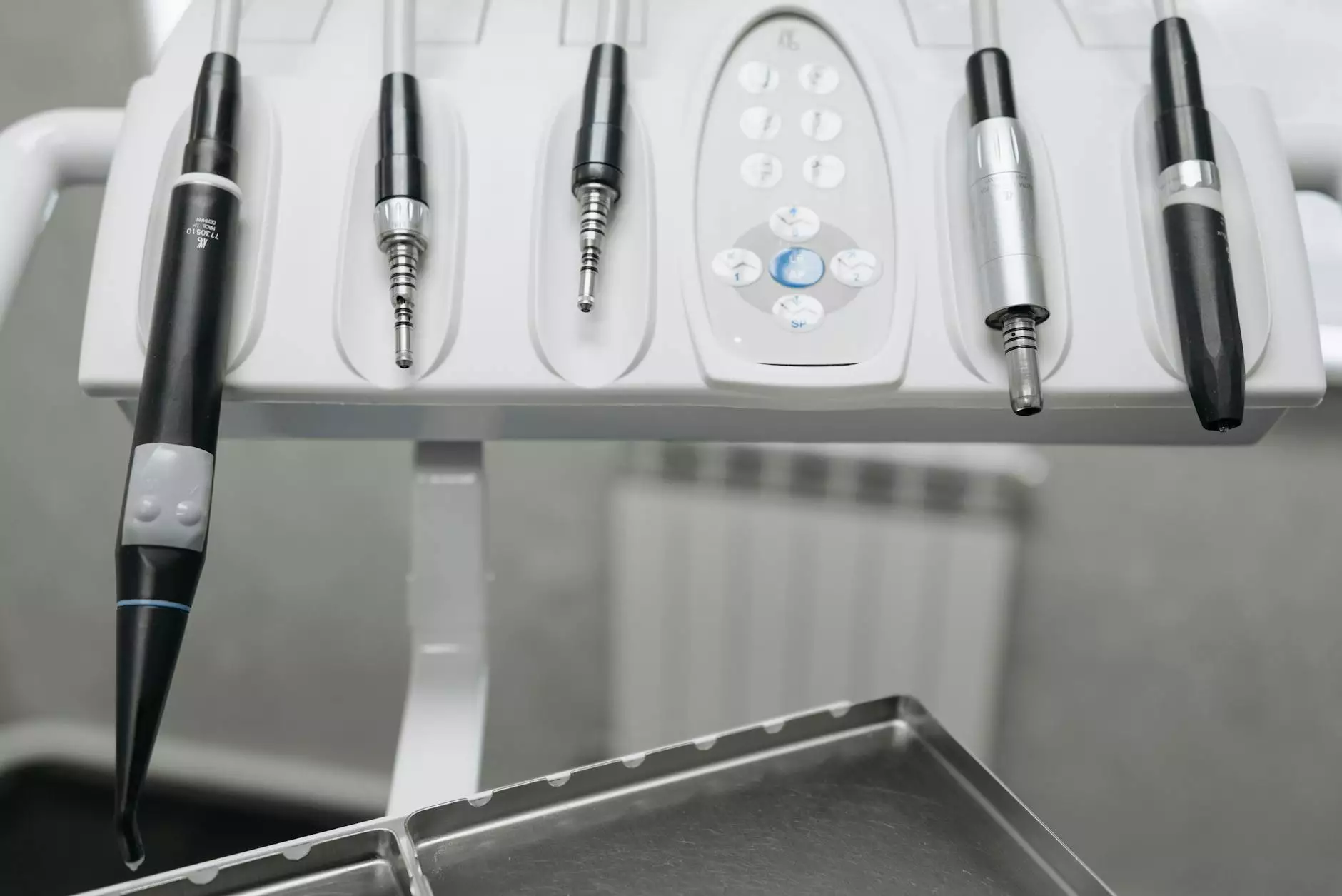
Dental construction design is a specialized field that blends architecture, interior design, and dental technology to create functional and aesthetically pleasing dental offices. As the healthcare landscape continues to evolve, dental practices must adapt to meet the growing demands of patients. This article presents a comprehensive overview of the key elements of dental construction design, the role of general contractors, and best practices to create a state-of-the-art dental facility that not only enhances the patient experience but also improves operational efficiency.
Understanding Dental Construction Design
Dental construction design isn't just about aesthetics; it’s about functionality and workflow. A well-designed dental practice maximizes space while ensuring that the work environment is comfortable and effective for both dental professionals and patients.
The Importance of a Well-Designed Dental Office
When considering dental construction design, here are several factors that underscore its importance:
- Enhanced Patient Experience: A thoughtfully designed space promotes a calming environment that can help reduce patient anxiety.
- Optimized Workflow: Efficient operation layouts facilitate smooth movement for dental staff and improve overall productivity.
- Compliance with Regulations: Adhering to healthcare regulations and standards is crucial for the safety and legality of dental practices.
- Brand Image: The design reflects the practice's brand and values, helping to attract and retain clients.
Key Elements of Dental Construction Design
While each dental practice has unique requirements, certain elements are universally critical in dental construction design:
1. Space Planning
Effective space planning is foundational in creating a layout that enhances efficiency. Consider the following:
- Patient Reception Area: This space should be welcoming, with comfortable seating and clear signage.
- Treatment Rooms: These should be equipped with dental chairs, essential tools, and adequate space for staff to move freely.
- Sterilization and Lab Areas: Designated areas must comply with health codes and be conveniently located relative to treatment rooms.
2. Functionality and Efficiency
The practice's layout should be designed to streamline operations. This means:
- Minimizing the distance between frequently used areas, like lab spaces and treatment rooms, to reduce staff movement.
- Incorporating technology in a way that enhances patient interaction without causing delays in service.
3. Compliance with Healthcare Regulations
Compliance is paramount in dental construction design. Every design decision must meet local, state, and federal regulations. Key areas include:
- Infection Control: Proper ventilation, layout, and materials are crucial to maintaining a sterile environment.
- Accessibility: Facilities must be compliant with ADA (Americans with Disabilities Act) standards to accommodate all patients.
4. Aesthetic Appeal
The visual aspect of a dental practice should not be overlooked. Design choices should echo the values of the dental practice and promote a sense of comfort. Consider incorporating:
- Color Schemes: Soft, soothing colors can help reduce patient anxiety.
- Natural Lighting: Maximize the use of windows to create a more inviting atmosphere.
- Artwork and Décor: Utilize decorations that resonate with the community while enhancing the overall aesthetic.
The Role of General Contractors in Dental Construction Design
General contractors are pivotal in the successful execution of dental construction design. They bring expertise in project management, budgeting, and compliance, ensuring that every aspect of the construction meets the necessary standards.
Choosing the Right General Contractor
When selecting a general contractor for your dental practice, consider these criteria:
- Experience in Healthcare Settings: Contractors should have proven experience in similar projects.
- Knowledge of Regulations: They must be familiar with local health codes and regulations affecting dental offices.
- Portfolio of Past Work: Review their previous projects for quality and creativity.
- Team of Specialists: They should work with architects and designers who understand the nuances of dental practices.
Project Management and Communication
Effective communication between the dental practice’s owners and the general contractor is crucial for timely project completion. Regular meetings should be scheduled to discuss:
- Progress updates
- Budget considerations
- Potential adjustments to the design as needed
Best Practices in Dental Construction Design
To achieve the best results in dental construction design, follow these best practices:
1. Involve Dental Professionals Early
Involving dental professionals during the design phase can provide insights that enhance functionality. Their input on workflow and operations can lead to more effective space planning.
2. Use Advanced Technology
Integrating technology into your dental practice design improves efficiency. Here are some tech-savvy solutions:
- Digital Imaging Equipment: Ensure ample space and power supply for cutting-edge equipment.
- Electronic Health Records (EHR): Design spaces to support digital record management with adequate data connections.
- Telehealth Capabilities: Design areas for virtual consultations to expand service options.
3. Sustainability Considerations
With the growing demand for eco-friendly practices, sustainability should be a consideration:
- Energy Efficiency: Select lighting and HVAC systems that reduce energy consumption.
- Material Choices: Opt for sustainable materials that reduce environmental impact.
4. Patient-Centric Design
Always keep the patient experience at the forefront of your design choices. This can include:
- Comfortable waiting areas with entertainment options.
- Private consultation rooms to discuss sensitive information.
Conclusion: The Future of Dental Construction Design
As the dental industry evolves, so too must the spaces in which dental professionals operate. Dental construction design plays a critical role in shaping the future of dental practices. By focusing on functionality, aesthetics, and patient-centered care, dental practices can create environments that not only enhance their operations but also foster a positive patient experience.
For those in the dental industry looking to embark on a construction or renovation project, partnering with an experienced general contractor, such as Antham Group, ensures that your vision comes to life. With a keen understanding of dental construction design principles and a commitment to excellence, Antham Group is prepared to assist in transforming your dental practice into a space that aligns with your goals and the needs of your patients.