The Comprehensive Guide to the Removal of Thymus in Adults
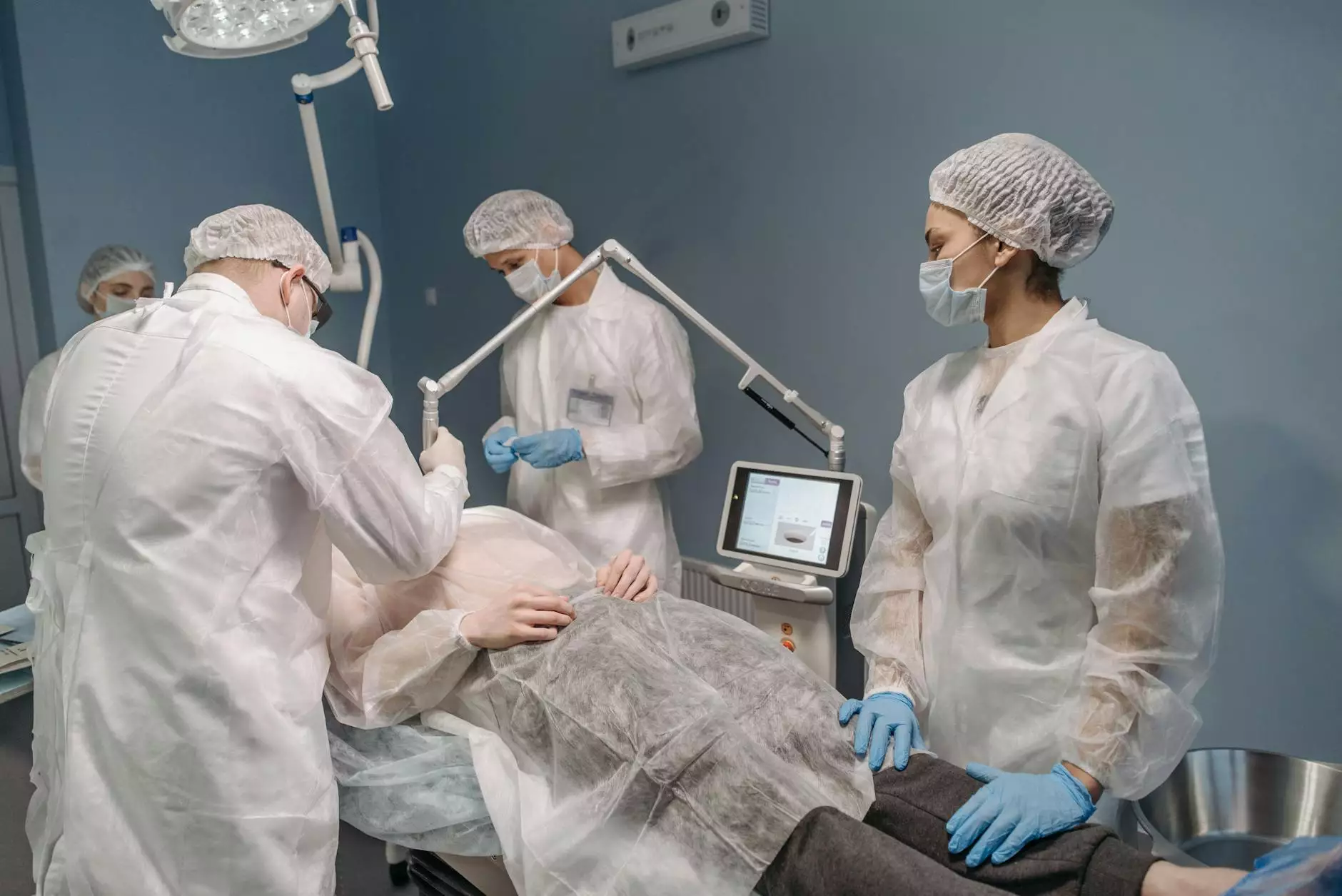
The removal of thymus in adults, medically known as thymectomy, is a surgical procedure that holds significant importance in the field of thoracic surgery and immunology. This guide delves deep into the aspects of thymectomy, elucidating its rationale, procedures, benefits, and recovery, aimed at providing clear insights for patients considering this surgery.
What is the Thymus and Why is it Important?
The thymus is a small gland located in the upper chest, just behind the sternum. It plays a critical role in the development and functioning of T-lymphocytes, which are essential components of the immune system. In infants and children, the thymus is larger and more active, aiding in the maturation of immune cells that will protect the body from infections and diseases.
Indications for Thymus Removal in Adults
Thymectomy may be indicated for several reasons:
- Myasthenia Gravis: A condition characterized by weakness and rapid fatigue of voluntary muscles. Thymectomy can alleviate symptoms and improve the quality of life.
- Thymoma: A tumor originating in the thymus gland, which may be benign or malignant. Removal is often necessary to prevent cancer spread.
- Autoimmune Diseases: Certain autoimmune conditions may see improvement post-thymectomy as the immune system becomes more regulated.
- Non-Specific Indications: In some instances, patients may undergo thymectomy for unexplained symptoms related to autoimmune dysfunction.
The Surgical Procedure for Thymectomy
The removal of thymus in adults can be performed through various surgical techniques, including:
1. Open Thymectomy
This traditional method involves making an incision in the chest to access the thymus gland. It provides a direct view and allows for the complete removal of the thymus, along with any surrounding tissues if necessary.
2. Minimally Invasive Thymectomy
This approach utilizes smaller incisions and specialized instruments, including a video camera. The benefits include reduced pain, shorter recovery time, and less scarring.
3. Robotic-Assisted Thymectomy
Utilizing robotic technology, this method enhances precision in removing the thymus gland. Surgeons control robotic arms to perform the procedure, which may lead to even better outcomes for certain patients.
What to Expect Before the Surgery
Prior to the removal of thymus in adults, patients will undergo a comprehensive evaluation, including:
- Medical History Assessment: Discussing prior health issues, medications, and allergies.
- Diagnosis Confirmation: Imaging studies such as CT scans or MRIs to assess the thymus gland and plan the surgical approach.
- Preoperative Testing: Blood tests and other evaluations to ensure overall health and readiness for surgery.
Postoperative Care and Recovery
Recovery from thymectomy varies depending on the surgical approach and individual patient conditions:
1. Immediate Postoperative Care
Following surgery, patients are typically monitored in a recovery area for vital signs and any complications. Pain management will be initiated to ensure comfort.
2. Hospital Stay
Depending on the complexity of the procedure and individual health, the hospital stay can range from one day to several days. Minimally invasive techniques often lead to shorter hospitalizations.
3. Long-Term Recovery
Complete recovery can take several weeks. Regular follow-ups with healthcare providers will be essential to monitor the healing process and assess any changes in health status. Patients should gradually resume normal activities, allowing adequate time for recovery and rehabilitation.
Benefits of Thymectomy
The removal of thymus in adults offers several benefits, especially for those suffering from conditions like myasthenia gravis. These include:
- Symptom Relief: Many patients experience reduced symptoms of muscle weakness and fatigue.
- Improved Quality of Life: Enhanced ability to engage in daily activities and reduced need for medication.
- Prevention of Disease Progression: For those with thymomas, timely removal can prevent potential malignancy and associated complications.
Risks and Considerations
As with any surgical procedure, there are risks involved with thymectomy, including:
- Infection: Postoperative infections can occur and may require additional treatment.
- Bleeding: Some patients may experience excessive bleeding during or after the procedure.
- Damage to Nearby Structures: Risk of injury to surrounding organs or tissues, although this is rare.
Conclusion
In conclusion, the removal of thymus in adults is a significant surgery with profound implications for those affected by thymoma or myasthenia gravis. As outlined in this guide, it is crucial for patients to be well-informed about the indications, procedures, recovery, and potential risks associated with thymectomy. Choosing a specialized center like Neumark Surgery ensures that you receive expert care tailored to your individual needs, enhancing your overall health outcomes.
For further information or to schedule a consultation, visit neumarksurgery.com today!